

Critical Defense News from PNA Technologies
March 3, 2026
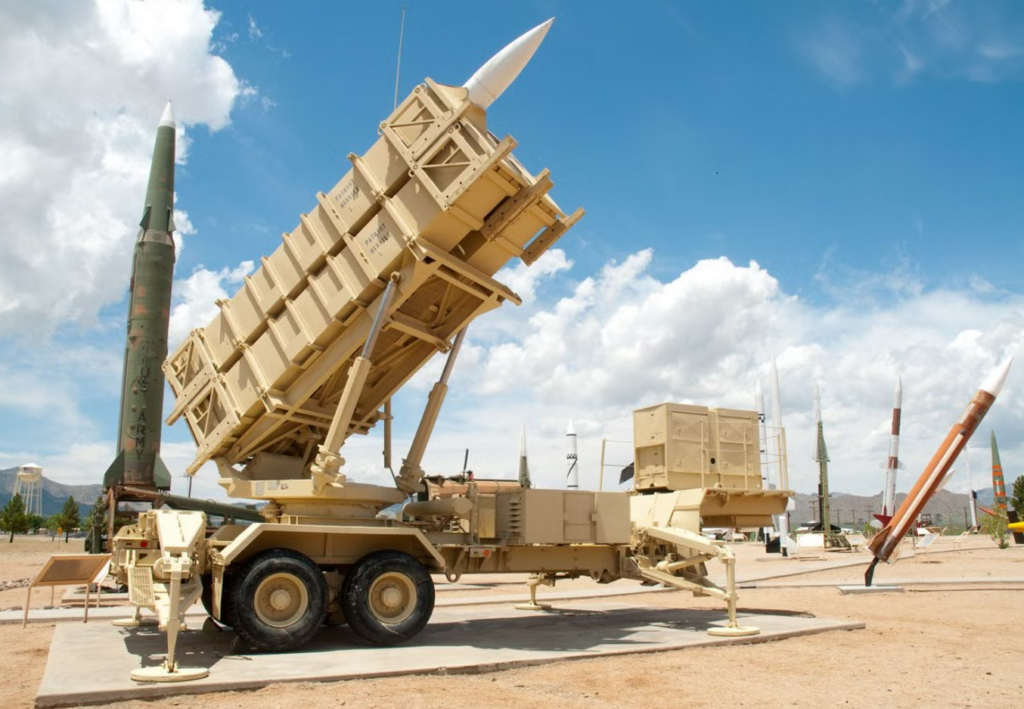
The rocket and missile market is expected to grow from $57.7 billion in 2023 to $77.4 billion by 2028, an impressive 34% rise in just five years.
EMI (Electromagnetic Interference) shielding for munitions is a critical protective measure designed to prevent unintended electromagnetic energy from triggering or disrupting explosive devices. This shielding ensures that radio signals, radar, or power lines do not cause premature detonation or render guidance systems inoperable.
Munitions contain sensitive electronic components and primers that are vulnerable to external electromagnetic fields. Shielding provides:
Safety (HERO Compliance): Protects against Hazards of Electromagnetic Radiation to Ordnance (HERO), preventing stray radio frequencies (RF) from accidentally igniting electro-explosive devices (EEDs).
Reliability: Ensures precision-guided munitions (PGMs) maintain signal integrity and accurate targeting in environments filled with electronic noise or intentional jamming.
The choice of material depends on the frequency of the interference being blocked:
Conductive Metals: Copper and aluminum are standard for blocking high-frequency electrical fields due to their high conductivity.
Magnetic Alloys: Materials like Mu-metal or steel are used to shield against low-frequency magnetic fields by providing a high-permeability path for the magnetic flux.
Advanced Composites: New solutions use MXene or carbon nanotubes for lightweight, high-performance shielding in aerospace and defense applications.
Faraday Cages: Enclosing the entire device in a conductive housing to block external E-fields.
Shielded Cables: Using braided or foil-wrapped cables to prevent signal lines from acting as antennas for EMI.
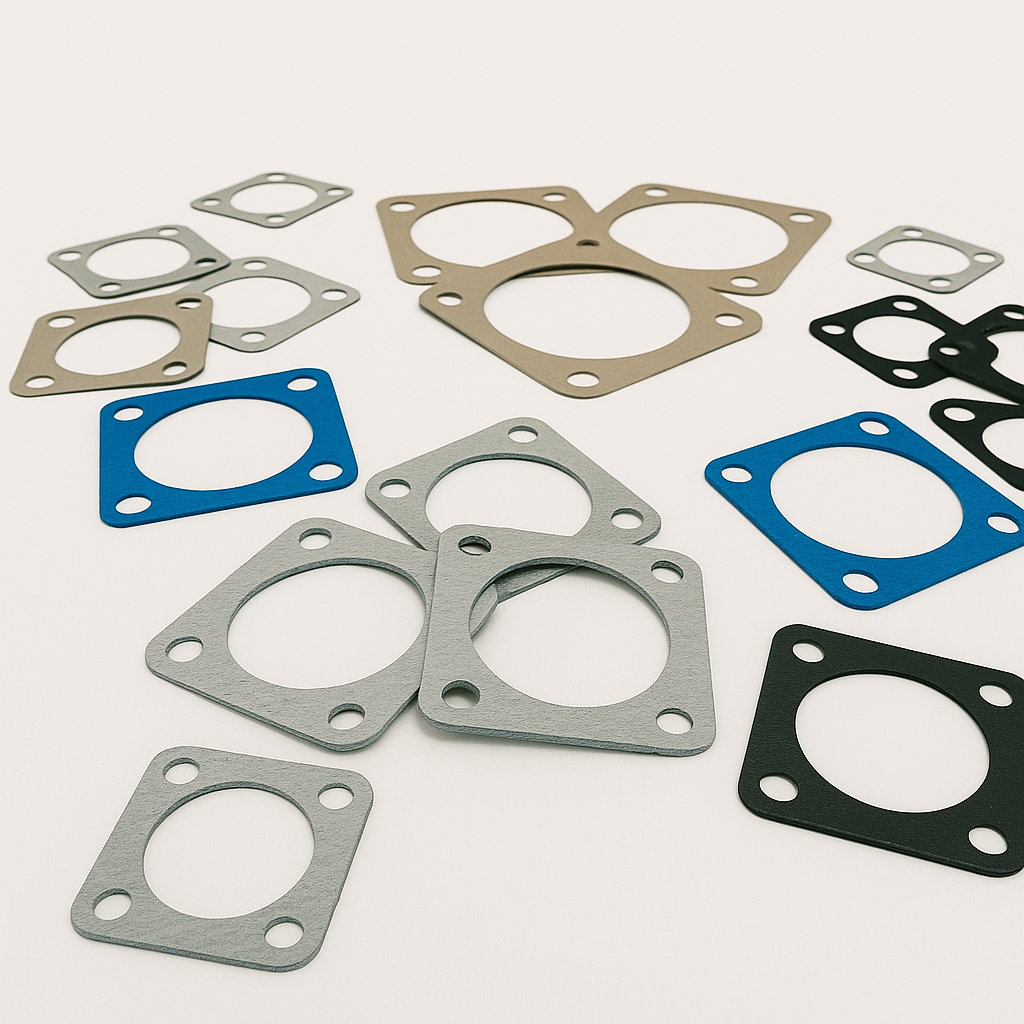
EMI Gaskets: Conductive seals placed at joints and seams of a munition’s housing to maintain electrical continuity and prevent leakage.
Specialty Coatings: Conductive sprays (copper or nickel-based) applied to non-conductive plastic components to add a layer of protection.


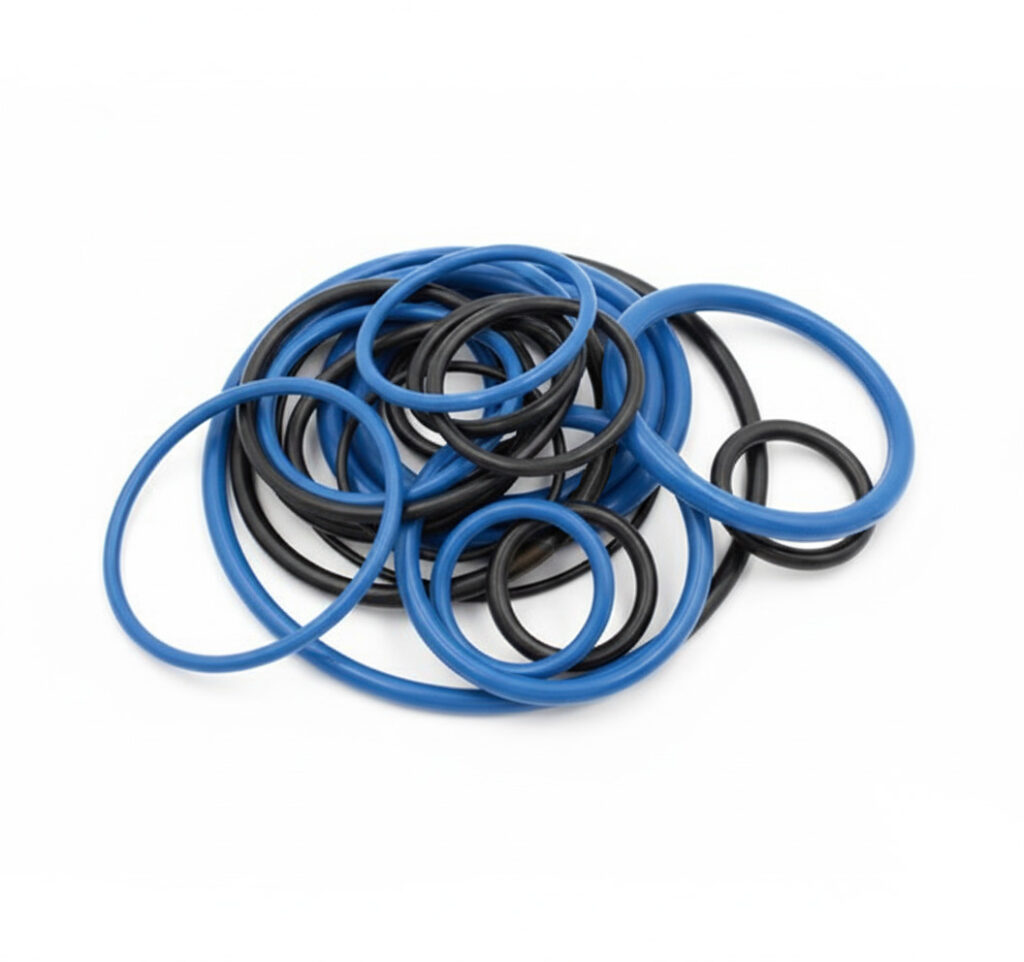
Missile designers use a multi-layered approach to block both external threats (like radar jamming and EMPs) and internal crosstalk between components.
Enclosure Shielding: The missile’s airframe or specific internal compartments act as a Faraday cage.
Metallic Housings: Aerospace-grade aluminum alloys (like 6061-T6) are standard because they provide 80–120 dB of shielding while remaining lightweight.
Conductive Coatings: For non-metallic parts (like plastic or composite covers), thin coatings of nickel, copper, or silver are sprayed on to create a lightweight conductive barrier.
Sealing Mechanical Gaps: Any joint, hatch, or access panel is a potential “leak” for EMI.
Conductive Elastomers: These are rubber-like gaskets (typically silicone or fluorosilicone) filled with metal particles like silver-plated aluminum or nickel-graphite.
Galvanic Compatibility: Designers must match gasket materials to the missile’s metal body to prevent dissimilar-metal corrosion, especially for naval missiles exposed to salt spray.
Cable and Connector Protection: Cables often act as unintended antennas for EMI.
EMI Filter Inserts: Compact inserts are placed inside standard military connectors to block conducted noise directly at the interface without adding the weight of bulky shielded cables.
Ferrites and Absorbers: Materials like ferrous-filled silicone are used to absorb high-frequency signals and minimize cavity resonances.
MIL-STD-461G: Sets the requirements for individual subsystems and equipment (e.g., the guidance computer).
MIL-STD-464D: Evaluates the entire missile platform to ensure it can survive lightning, EMPs, and high-intensity radiated fields (HIRF).
1. ISO 9001:2015 Registered Manufacturer
2. Short lead times with materials IN STOCK
3. Expert Technical and Engineering Knowledge
4. Communication from RFQ through On Time Delivery
5. Continuous Quality and Performance Improvement
718.412.0468
sales@pna-technologies.com
